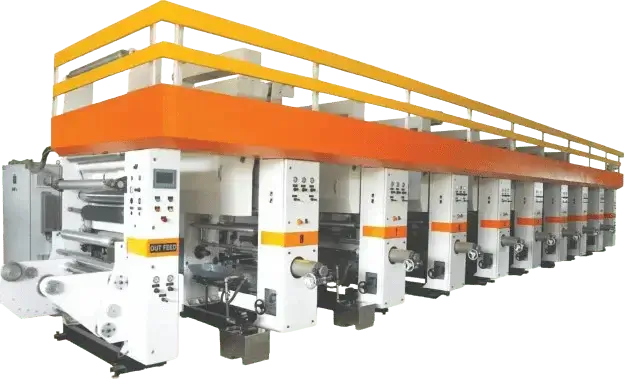
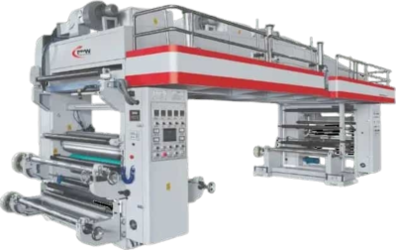
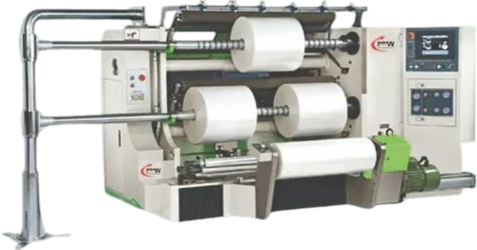
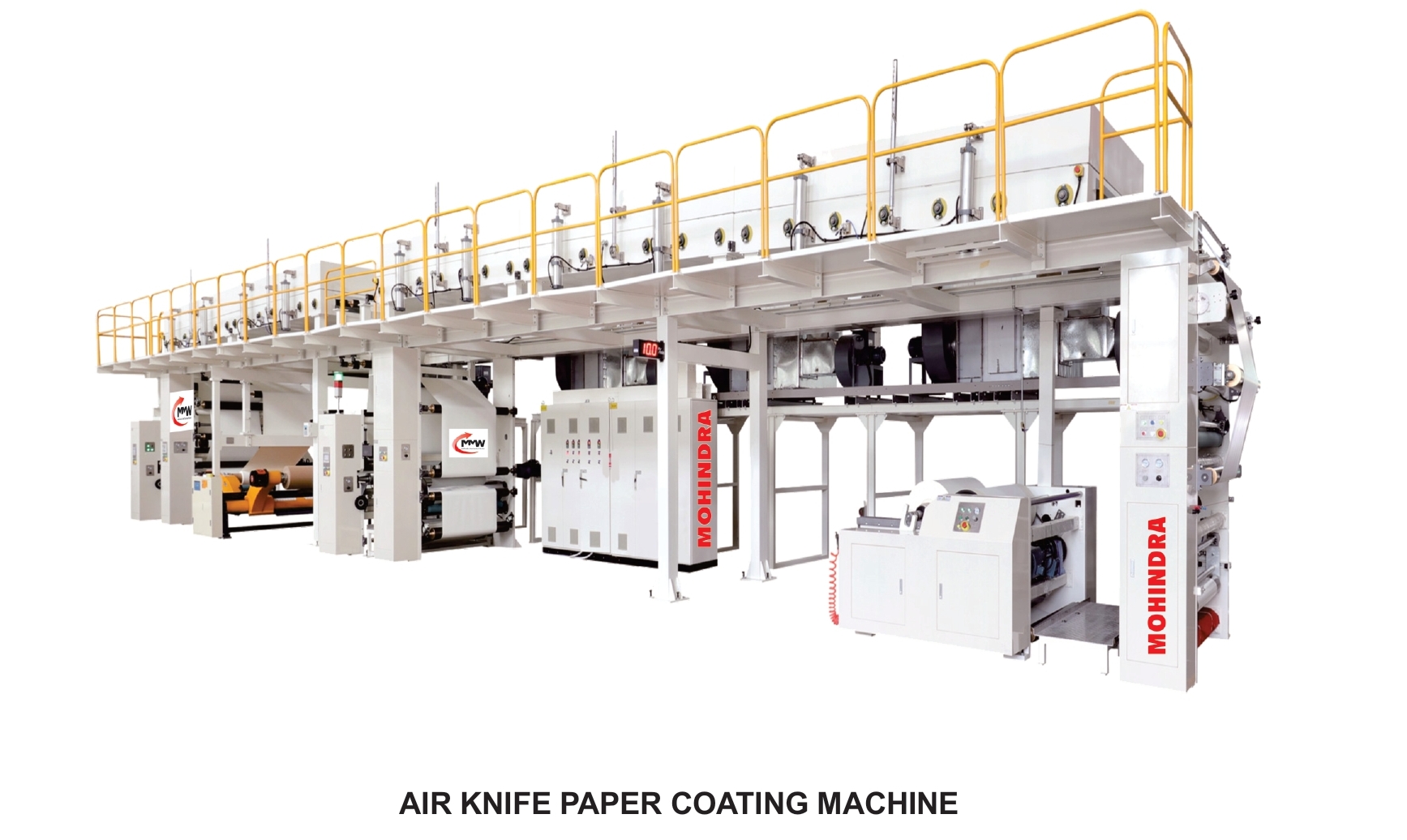
In the dynamic world of packaging, coating plays a pivotal role in improving product appearance, durability, and performance. Among various coating technologies, the Air Knife Coating Machine stands out for its precision, efficiency, and adaptability. This blog offers a comprehensive, buyer-focused overview of air knife coating machines — how they work, where they’re used, key advantages, and how to choose the right system for your operations.
Introduction
Packaging manufacturers constantly seek ways to enhance productivity while maintaining quality. Whether it’s applying coatings for moisture resistance, gloss enhancement, or functional barriers, the choice of coating equipment significantly affects the result.
The Air Knife Coating Machine has emerged as a go-to solution in industries requiring controlled, uniform coatings on films, foils, papers, and other substrates. Its precision, minimal waste, and compatibility with high-speed production lines make it especially attractive for packaging applications.
This guide is crafted for decision-makers — plant managers, production engineers, procurement specialists, and packaging buyers — looking to understand what air knife coating machines are, how they function, and why they matter.
What Is an Air Knife Coating Machine?
An Air Knife Coating Machine is a type of edgeless coating system that uses a controlled air stream (“air knife”) to spread liquid or slurry into a thin, even layer across a substrate. Unlike traditional roller or curtain coaters, air knife systems do not make direct contact with the substrate, reducing physical stress and ensuring uniform coating thickness.
This technology is widely used in packaging lines where precision and cleanliness are priorities — such as flexible packaging, labels, laminates, and barrier coatings.
Working Principle of an Air Knife Coating Machine
Understanding how an air knife applicator works demystifies its reliability and performance advantages.
1. Coating Supply
The liquid coating material — whether adhesive, primer, barrier dispersion, or functional coating — is pumped from a reservoir through a delivery system toward the air knife head.
2. Air Knife Nozzle
The heart of the system is the air knife — a narrow slot where compressed air is expelled at high velocity. This air stream creates a controlled shear force.
3. Thin Film Formation
As the substrate (film, foil, paper) moves beneath the air knife, the high-velocity air spreads the liquid coating across the surface. The air shear ensures the film is consistent, with adjustable thickness controlled by:
-
Air pressure
-
Gap height between the air knife and the substrate
-
Substrate speed
-
Coating viscosity
4. Drying & Curing
Once coated, the substrate often moves into a drying or curing section (infrared, hot-air, or UV), depending on the coating chemistry.
This non-contact method ensures minimal interference with substrate integrity and enables high-speed operation with excellent repeatability.
Key Features to Look For
When evaluating air knife coating systems, several features directly influence performance and suitability for your packaging line:
Adjustable Air Pressure Control: Precise regulation of air pressure allows control over coating thickness and quality.
Gap and Angle Adjustability: Fine-tuning of the air knife gap and angle ensures optimal spreading for different substrates and formulations.
High-Quality Stainless Steel Construction: Resistant to corrosion and contamination — essential for food packaging or sensitive coatings.
Closed-Loop Control Systems: Automated feedback systems ensure consistent coating across production runs.
Easy Maintenance and Cleaning: Quick access to internal parts reduces downtime between batches.
Integration Capability: A system that seamlessly integrates with existing lines (laminators, printers, slitters) enhances ROI.
Safety & Compliance: Features such as overload protection, emergency stops, and compliant electrical systems are non-negotiable in modern facilities.
Typical Applications
Air knife coating machines are versatile and find use across multiple packaging segments:
🧴 Flexible Packaging Films: Coatings for seal enhancement, slip control, barrier layers, or print adhesion.
🥫 Label Stocks: Precise application of adhesives or functional coatings for durable, print-ready label materials.
📦 Corrugated & Paperboard: Barrier or primer coatings that improve ink adhesion and moisture resistance.
📦 Laminates: Surface treatments before lamination for stronger interlayer bonds.
📦 Specialty Packaging: High-end products that require gloss finishes, anti-fog coatings, or functional layers.
The adaptability of air knife systems makes them a strong choice across flexible, rigid, and specialty substrates.
Benefits for Packaging Buyers
Choosing the right coating solution isn’t just about technology — it’s about business outcomes. Here’s how air knife coating machines help you gain a competitive edge.
Uniform Coating Quality: Non-contact spreading ensures consistent thickness across the entire web, eliminating streaks and uneven patches.
High Production Speeds: Air knife systems can operate at line speeds compatible with modern packaging operations, reducing bottlenecks.
Reduced Material Waste: Precise control over coating thickness means you use just what you need — lowering consumable costs.
Lower Maintenance Costs: With fewer moving parts and a non-contact application, wear and tear are minimized.
Flexible Formulation Compatibility: Whether you’re coating adhesives, primers, functional dispersions, or barrier chemistries, air knife systems handle a wide range of viscosities.
Improved Product Performance: From enhanced seal integrity to better print finish, the right coating improves end-product quality.
FAQs — Your Questions Answered
Q1: How does an air knife coater differ from a knife over roll or gravure coater?
A: Air knife systems apply coatings using a high-velocity air stream rather than mechanical contact or engraved rollers. This enables cleaner, more uniform films with less physical stress on the substrate.
Q2: What thickness range can air knife coaters achieve?
A: Depending on the formulation and system settings, air knife machines can apply ultra-thin films down to a few microns, up to moderately thick layers. Precise ranges depend on machine model and coating chemistry.
Q3: Are air knife coating machines suitable for food packaging films?
A: Yes — provided the machine materials (usually stainless steel) and cleaning protocols meet food safety standards. Many systems are designed for hygienic environments.
Q4: How do I integrate an air knife system into my existing line?
A: Most manufacturers offer modular units that can be installed upstream or downstream of existing converters, laminators, or slitters. Integration often requires mechanical and control system coordination.
Q5: What maintenance does an air knife coater require?
A: Routine tasks include cleaning the air knife lips, checking air filtration, inspecting pump seals, and ensuring sensors and controls remain calibrated.
Choosing the Right Air Knife Coating Machine
Selecting the right coating system involves evaluating your product range, line speeds, substrate types, and production goals. Here’s a quick checklist to guide your decision:
🧾 Production Requirements
- What are your typical line speeds?
- Are you coating single or multiple substrates?
- Do you require ultra-thin or thicker layers?
🛠 System Features
- Is precise thickness control critical?
- Do you need automated feedback and process reporting?
- How important is easy cleaning or changeover?
🔄 Integration & Upgrades
- Will the system interface with existing controls?
- Can it handle future product variations?
💰 Return on Investment
- How much coating material can you save?
- Will improved coating quality reduce rework or rejects?
- Does the vendor offer service and support contracts?
Buyer Tips: Partnering with the Right Supplier
Your choice of vendor matters tremendously. A good supplier should offer:
- On-site installation and training
- Preventive maintenance plans
- Spare parts support
- Customization for your specific substrates and coatings
Ask for case studies or references from companies with similar applications — real-world success stories often provide the best insights.
Conclusion
In an era where packaging quality and efficiency define market success, the Coating Machine offers a strategic advantage. Its precision, adaptability, and operational efficiency make it a smart investment for packaging manufacturers looking to elevate product performance while optimizing costs.
Whether you’re upgrading an existing line or investing in new coating technology, understanding the air knife principle, key features, and practical benefits will empower you to make an informed decision. With thoughtful evaluation and the right supplier partnership, an air knife coating machine can become a cornerstone of your production excellence.